
A Complete Guide
By Souvenir Group of Companies | Your Trusted Partner in Fresh Produce
Why Pakistan is One of the Top Potato-Producing Nations in Asia
Pakistan ranks among the leading potato-producing countries in Asia, and this is no accident. With vast stretches of fertile agricultural land, a hardworking farming community, and ideal climatic zones, Pakistan produces millions of tonnes of potatoes every year.
According to the Food and Agriculture Organization (FAO), Pakistan consistently produces over 5 to 6 million tonnes of potatoes annually, placing it firmly among the top producers in the Asian continent alongside China, India, and Bangladesh.
Several key factors drive this success:
- Rich, fertile soil — The plains of Punjab, Sindh, and Khyber Pakhtunkhwa offer deep, loamy soils that are perfect for root vegetables like potatoes.
- Two distinct growing seasons — Unlike many countries with just one harvest cycle, Pakistan benefits from both a spring crop and an autumn/winter crop, effectively doubling annual output.
- Large agricultural workforce — Farming employs a significant portion of Pakistan’s rural population, ensuring land is actively cultivated and managed.
- Improving infrastructure — With growing investment in cold storage, transportation, and packaging, Pakistani potatoes are increasingly able to reach both domestic and international markets in excellent condition.
At Souvenir Group of Companies, we work directly within this vibrant agricultural ecosystem, connecting premium Pakistani produce with buyers across the country and beyond.
Best Potato Varieties Grown in Pakistan and Their Uses
Among all the potato varieties grown across Pakistan’s fertile plains, three names stand out in the export market — Sante, Esmee, and Mozika. These are the varieties that Souvenir Group of Companies proudly sources from trusted farming partners in Punjab and delivers to buyers in the Gulf, Turkey, and China. Each variety has earned its place in international trade for a specific reason: consistent quality, strong yield, and the ability to withstand long-distance shipping without losing freshness or appearance.
Sante is a well-established European variety that has found a perfect second home in Pakistan’s cool winter growing season. It produces oval-shaped potatoes with smooth, light yellow skin and a firm, creamy flesh that holds its texture beautifully whether boiled, roasted, or used in curries. Sante is particularly valued by buyers in Gulf countries and Turkey because of its clean appearance, minimal eye depth, and excellent shelf life — qualities that make it ideal for retail display and food service use. Esmee, on the other hand, is a newer and increasingly popular variety known for its exceptionally smooth skin, attractive uniform shape, and bright yellow flesh. Esmee potatoes are a favourite in markets where visual quality matters as much as taste, particularly in premium retail chains across the UAE, Saudi Arabia, and Qatar. Their naturally waxy texture makes them outstanding for boiling and salads, while their rich flavour has won over consumers and chefs alike across the region.
Mozika rounds out our core export lineup as a high-yielding variety prized for its large tuber size, robust skin, and remarkable storability. Mozika potatoes can be held in cold storage for extended periods without significant quality loss, making them the preferred choice for buyers who need reliable supply across several months rather than a single seasonal window. This variety is especially in demand in the Chinese market, where large, firm potatoes with long shelf stability are highly sought after for both retail and industrial food processing. Together, Sante, Esmee, and Mozika represent the best of what Pakistani agriculture has to offer — and at Souvenir Group of Companies, ensuring these varieties reach our customers in peak condition is at the heart of everything we do.
Seasonal Guide to Vegetable Farming in Punjab and Sindh
Pakistan’s two main agricultural provinces — Punjab and Sindh — operate on slightly different planting and harvesting calendars due to differences in climate and geography. Understanding these seasons is key for buyers who want the freshest produce at the right time.
Punjab: The Heartland of Potato Farming
Punjab, particularly the districts of Okara, Sahiwal, Pakpattan, and Sheikhupura, is the backbone of Pakistan’s potato production.
| Season | Planting Period | Harvest Period | Notes |
|---|---|---|---|
| Autumn/Winter Crop | September – October | December – February | Most significant crop; cooler temperatures produce firm, high-quality potatoes |
| Spring Crop | January – February | April – May | Smaller yield; heat at the end of the season shortens storage life |
Other key vegetables farmed in Punjab include onions, tomatoes, cauliflower, peas, and garlic, all of which follow similar seasonal patterns.
Sindh: The Warm-Climate Farming Zone
Sindh benefits from a warmer, more subtropical climate, which makes it ideal for year-round vegetable cultivation.
| Season | Key Crops | Harvest Period |
|---|---|---|
| Winter (Rabi) | Potatoes, tomatoes, coriander, fenugreek | November – March |
| Summer (Kharif) | Okra, bitter gourd, bottle gourd, chilies | May – September |
The Thar Parker and Hyderabad regions of Sindh are known for producing early-season vegetables that reach markets before Punjab’s main harvest, keeping supply steady throughout the year.
How Climate Affects Potato Quality and Harvest Timing
Climate is arguably the single most important factor in determining whether a potato crop will be excellent or average. Pakistani farmers have developed generations of knowledge around managing climate, but it is still the dominant force in every harvest.
Temperature
Potatoes are a cool-season crop. The ideal growing temperature is between 15°C and 20°C. When temperatures drop below 10°C, tuber growth slows. When temperatures rise above 30°C — as they do in Pakistan’s summer — starch formation in the potato breaks down, leading to poor texture, hollow hearts, and reduced shelf life.
This is why the autumn-winter crop (September to February) consistently produces the best quality potatoes in Pakistan. The cooler nights in Punjab during this period are ideal for tuber development.
Rainfall and Irrigation
Potatoes need consistent moisture — too little and they crack; too much and they rot. Most Pakistani potato farms rely on canal irrigation from the Indus River system, supplemented by tube wells. Farms in areas with reliable irrigation access consistently produce larger, smoother, more market-ready potatoes.
Sunlight Hours
Long daylight hours in spring encourage vigorous leaf growth but can cause early flowering and smaller tubers. This is why spring crop potatoes in Pakistan tend to be slightly smaller than the winter harvest.
Climate Change: An Emerging Challenge
In recent years, unpredictable rains, delayed winters, and flash floods — particularly in 2022 — have disrupted traditional harvest calendars. At Souvenir Group of Companies, we monitor weather patterns closely and work with our farm partners to adapt planting schedules and protect crop quality even under challenging conditions.
From Farm to Table: How We Source Fresh Produce Directly from Farmers
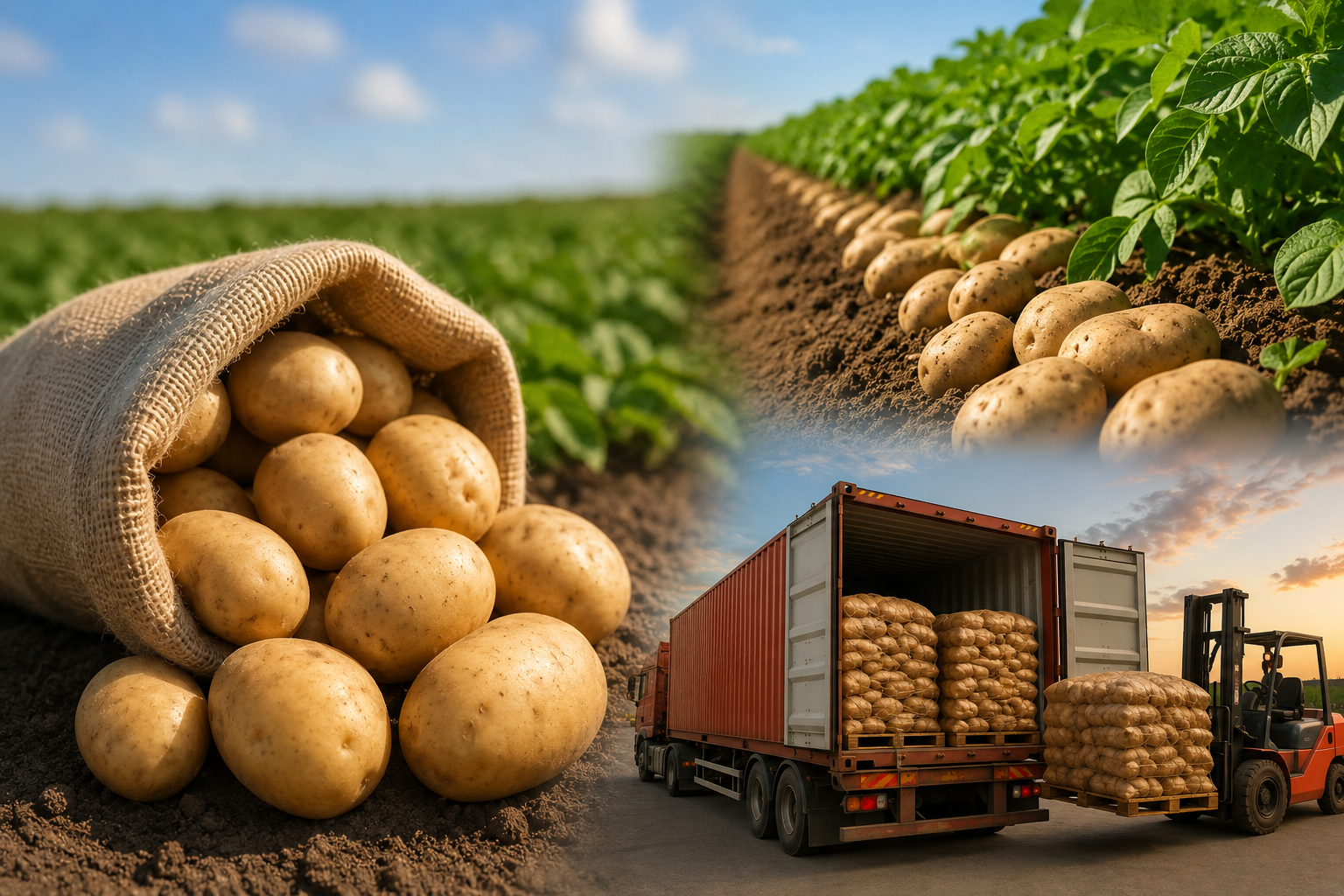
At Souvenir Group of Companies, we believe the quality of our produce begins not at the warehouse — but at the farm. Our sourcing model is built on direct, long-term relationships with farmers across Pakistan’s most productive agricultural regions.
Step 1: Partnering with Trusted Farmers
We work with a network of vetted farmers in Punjab and Sindh who follow quality-focused farming practices. Many of these relationships span years and even generations. This trust means farmers grow what we specify — the right varieties, at the right time, with care given to soil health and harvesting technique.
Step 2: On-Farm Quality Inspection
Our field teams visit farms before and during harvest. We assess:
- Size and uniformity of potatoes
- Skin integrity (no cuts, bruises, or disease marks)
- Moisture content and firmness
- Pesticide usage and compliance
Only produce that meets our standards moves to the next stage.
Step 3: Grading and Sorting
At our facilities, potatoes and vegetables are sorted by size, weight, and quality grade. Premium-grade produce is set aside for export. Second-grade produce is directed to domestic wholesale buyers. Nothing is wasted.
Step 4: Cold Storage and Packaging
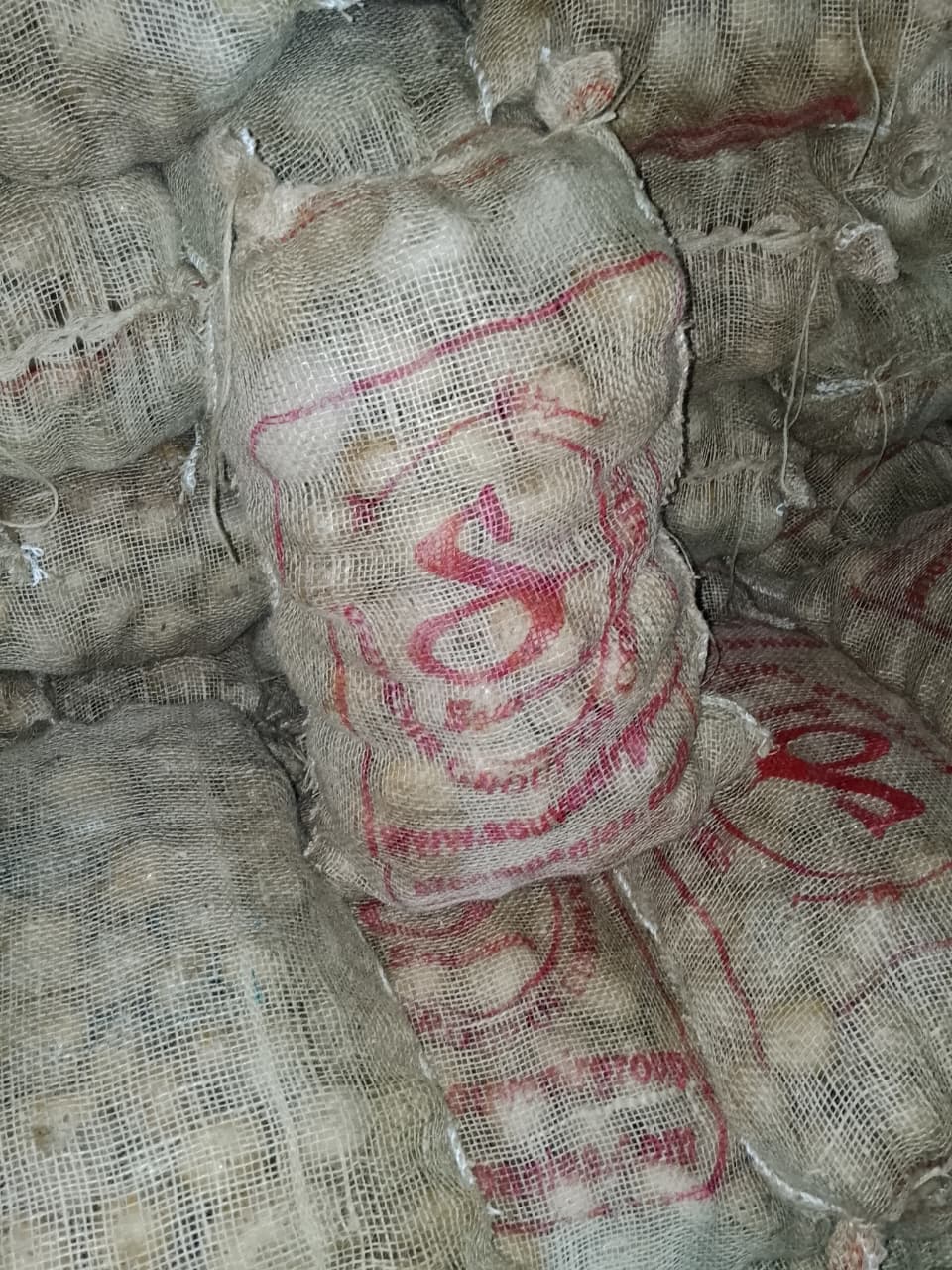
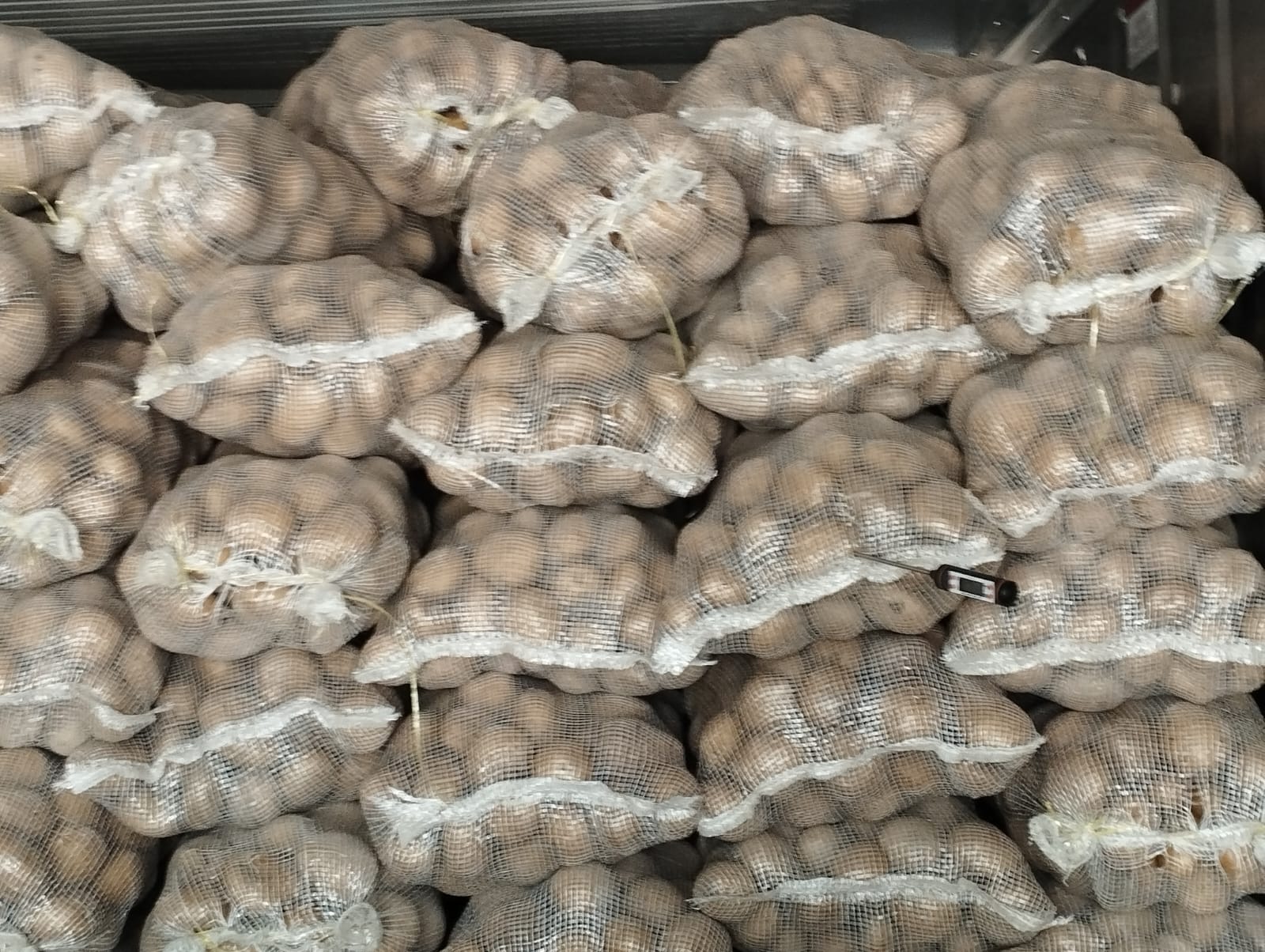
To maintain freshness, produce is stored in temperature-controlled cold rooms. Potatoes destined for the Gulf, China, or Turkey are packed in ventilated bags or crates designed to comply with international food safety standards.
Step 5: Delivery — Domestic and International
For buyers within Pakistan, we deliver via refrigerated transport to wholesale markets, supermarkets, and processing units. For export shipments, we manage the full logistics chain — from farm to port to destination — ensuring your order arrives fresh and on time.
Why Choose Souvenir Group of Companies?
We are more than a trading company. We are a bridge between Pakistan’s hardworking farmers and the buyers who depend on reliable, fresh produce — whether they are in Lahore, Dubai, Istanbul, or Beijing.
- ✅ Direct farm sourcing — no middlemen inflating your price
- ✅ Strict quality grading before every shipment
- ✅ Cold chain infrastructure for maximum freshness
- ✅ Experienced export team handling all documentation
- ✅ Trusted by buyers across Pakistan, the Gulf, Turkey, and China
Get in touch with us today to discuss your potato and vegetable requirements — fresh, reliable, and delivered with care.
Souvenir Group of Companies — Connecting Pakistan’s Farms to the World.